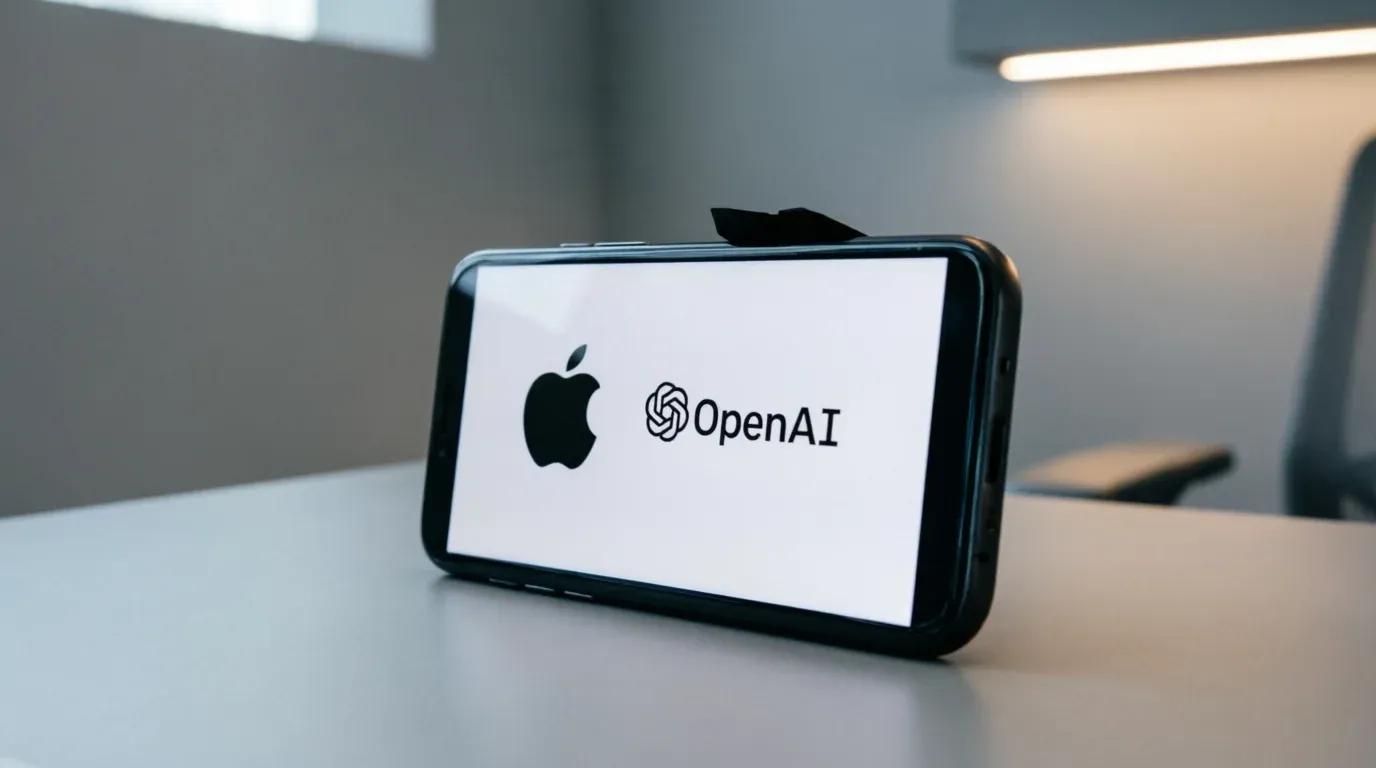
Apple has requested a preliminary injunction from a U.S. judge to prevent OpenAI and two former employees from accessing or using alleged confidential information. This legal escalation follows a recent lawsuit filed by Apple, alleging the misappropriation of trade secrets to support OpenAI’s development of consumer hardware, potentially threatening Apple's dominant position in the mobile device market.
Apple's Legal Motion and Discovery Requests
In a filing with the U.S. District Court for the Northern District of California, Apple requested a preliminary injunction to prevent irreparable harm. The company is also seeking expedited discovery, specifically targeting documents related to how the defendants accessed proprietary information. Apple has asked the court to order depositions for former employees Chang Liu, a senior system electrical engineer, and Tang Yew Tan, a former vice president of product design. Additionally, Apple seeks depositions from OpenAI employee Yu-Ting Peng, an unnamed former Apple employee now at OpenAI, and corporate representatives from both OpenAI and its commercial arm, io Products.
OpenAI Hardware Development and Defense
The litigation centers on OpenAI's alleged use of Apple's trade secrets to benefit its foray into consumer hardware. Analysts suggest OpenAI is developing a phone or alternative device that could bypass traditional operating systems and apps, potentially diverting consumer attention from the iPhone. OpenAI has responded via a blogpost, stating that Apple's request is based on false information and is unnecessary. The company maintains it does not possess, nor does it want, any of Apple's trade secrets. This legal battle follows OpenAI's successful defense against a separate legal challenge from Elon Musk's xAI.
Key Takeaways
- Apple is seeking a preliminary injunction and expedited discovery against OpenAI and io Products.
- The lawsuit names former Apple executives Chang Liu and Tang Yew Tan as defendants.
- The dispute involves allegations that trade secrets were misappropriated for OpenAI's consumer hardware projects.
TechInsyte's Take
In our view, this litigation signals a high-stakes shift in the AI landscape from software dominance to hardware integration. As OpenAI moves toward developing devices that could bypass traditional mobile ecosystems, the battle over intellectual property becomes a fight for the future of consumer interfaces. For enterprise leaders, this underscores the critical importance of rigorous data egress controls and IP protection as AI companies increasingly transition from cloud services to physical hardware ecosystems.
Questions & Answers
What specific individuals is Apple targeting for depositions?
Apple is seeking depositions from former employees Chang Liu and Tang Yew Tan, alongside OpenAI's Yu-Ting Peng and an unnamed former Apple employee currently at OpenAI.
Why does Apple believe an injunction is necessary?
Apple claims it will suffer "irreparable harm" if the defendants are permitted to continue accessing, acquiring, using, or disclosing the alleged confidential information.
What is the strategic significance of OpenAI's potential hardware?
OpenAI may be developing devices that do not rely on traditional apps or operating systems, which could redirect consumer attention away from the iPhone.
How has OpenAI responded to these legal allegations?
OpenAI stated in a blogpost that Apple's request is based on false information and is unnecessary because they do not have or want Apple's trade secrets.
Source: REUTERS