The shift from generative AI chatbots to proactive, autonomous agents necessitates a fundamental redesign of how digital credentials are managed. 1Password is addressing this emerging security gap with the launch of 1Password for Agents, a platform designed to act as a "trust layer" for personal AI agents. Rather than allowing users to hand over raw passwords or secrets to an AI—a practice that risks leaving sensitive data in unmanaged locations—the company is positioning this technology to enable agentic task completion without exposing the underlying credentials. This move targets the growing trend of agents managing complex workflows, such as expense reporting or bill management, which require authenticated access to existing user accounts.
Securing Autonomous Task Delegation
As personal AI agents move toward executing real-world actions, the traditional method of sharing credentials creates significant security vulnerabilities. 1Password for Agents seeks to mitigate this by allowing agents to sign in to services without ever seeing or storing the actual passwords, secrets, or credentials. The platform functions by utilizing a unique digital key that an agent uses to verify its identity to 1Password when it encounters a sign-in form.
Crucially, the human user maintains ultimate authority over the process. When an agent requests access, the user receives a notification on their own device, seeing exactly which credential is required and the specific reason for the request. Upon user approval, 1Password fills the credentials directly into the sign-in form. This mechanism ensures that the password remains protected within the 1Password vault and is never transmitted to or cached by the AI model itself. By decoupling the ability to perform a task from the ability to view the secret, 1Password is attempting to solve the "permanent access" problem that currently plagues agentic workflows.
Ecosystem Integration and Partner Roadmap
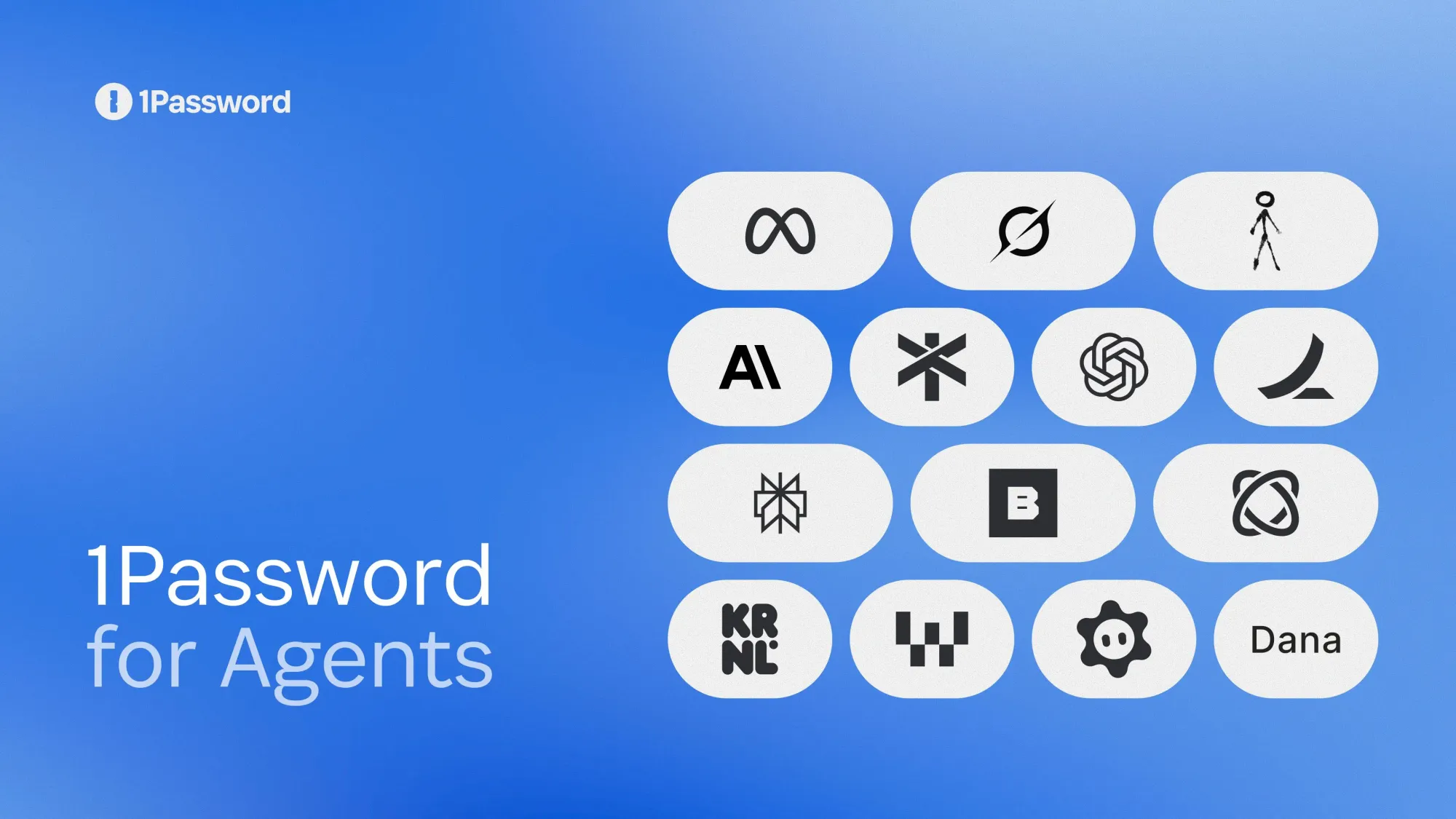
1Password is not building a closed system; instead, it is attempting to integrate directly into the existing personal AI agent ecosystem. The company has confirmed partnerships with several major players to ensure that users can leverage their preferred agents while maintaining credential security. These include Meta’s Muse, Anthropic’s Claude (specifically via Claude Duet), OpenAI’s ChatGPT, and SpaceX’s Grok Bot. Additionally, the platform is being integrated with Town’s "Townie" assistants, which learn from user emails and calendars to automate scheduling and follow-ups.
The technical implementation varies slightly across these partners to suit their specific architectures. For instance, Muse requests logins from 1Password as it executes action plans, while Claude Duet uses the integration to gain approved access within existing team tools. The company is also working with a broader list of partners, including Perplexity, Ramp, and Browserbase, to expand the reach of these secure sign-in capabilities. This collaborative approach suggests that 1Password views identity security as a foundational requirement for the mass adoption of autonomous agents, aiming to provide the "permission" layer that allows security teams to approve agentic automation.
Key Takeaways
- 1Password for Agents enables AI agents to sign in to accounts using a unique digital key without the agent ever seeing or storing the actual passwords.
- The platform requires explicit user approval on a personal device before 1Password fills credentials into a sign-in form on behalf of an agent.
- Current ecosystem partners include Meta (Muse), Anthropic (Claude), OpenAI (ChatGPT), SpaceX (Grok Bot), and Town (Townie).
TechInsyte's Take
In our view, 1Password is making a calculated bet that the primary bottleneck for autonomous AI agents is not intelligence, but trust. As agents transition from "answering questions" to "executing transactions," the risk of credential leakage becomes a non-starter for enterprise and privacy-conscious consumers. By positioning itself as the intermediary "trust layer," 1Password is attempting to move up the value chain from a simple password manager to a critical piece of AI infrastructure.
This strategy effectively turns a potential security liability—the need for agents to access private accounts—into a specialized identity management category. If 1Password can successfully standardize this "request-and-fill" workflow across the major LLM providers, they will likely become the de facto gatekeeper for agentic identity. The success of this platform will depend on whether developers of agents like Claude and ChatGPT prioritize this secure delegation over simpler, albeit riskier, methods of credential handling.
Questions & Answers
How does 1Password for Agents prevent AI models from accessing sensitive passwords?
The platform uses a digital key for identity verification and fills the credentials directly into the sign-in form. This ensures the password stays within the 1Password vault and is never exposed to, or stored by, the AI model.
What level of control does a user maintain during an agent's sign-in attempt?
Users maintain granular control by reviewing the specific credential requested and the reason for the request. Approval must be granted manually on the user's own device, ensuring that the permission is intentional and verified.
Which major AI developers are currently participating in this ecosystem?
1Password has announced integrations and partnerships with Meta (Muse), Anthropic (Claude), OpenAI (ChatGPT), and SpaceX (Grok Bot), among others like Perplexity and Town.
Can this technology be used for both personal and professional tasks?
Yes. The announcement specifies that the platform is designed to support agents performing both personal tasks, such as planning vacations, and work tasks, such as preparing expense reports or managing team tools.
Source: 1Password